Emerse or Immerse: Meaning, Difference & Correct Usage 🌊

Immerse is the correct English spelling when you mean to become deeply involved in something or to put something completely ...
Read more
Availability or Availabilities: Which One Is Correct? 🤔
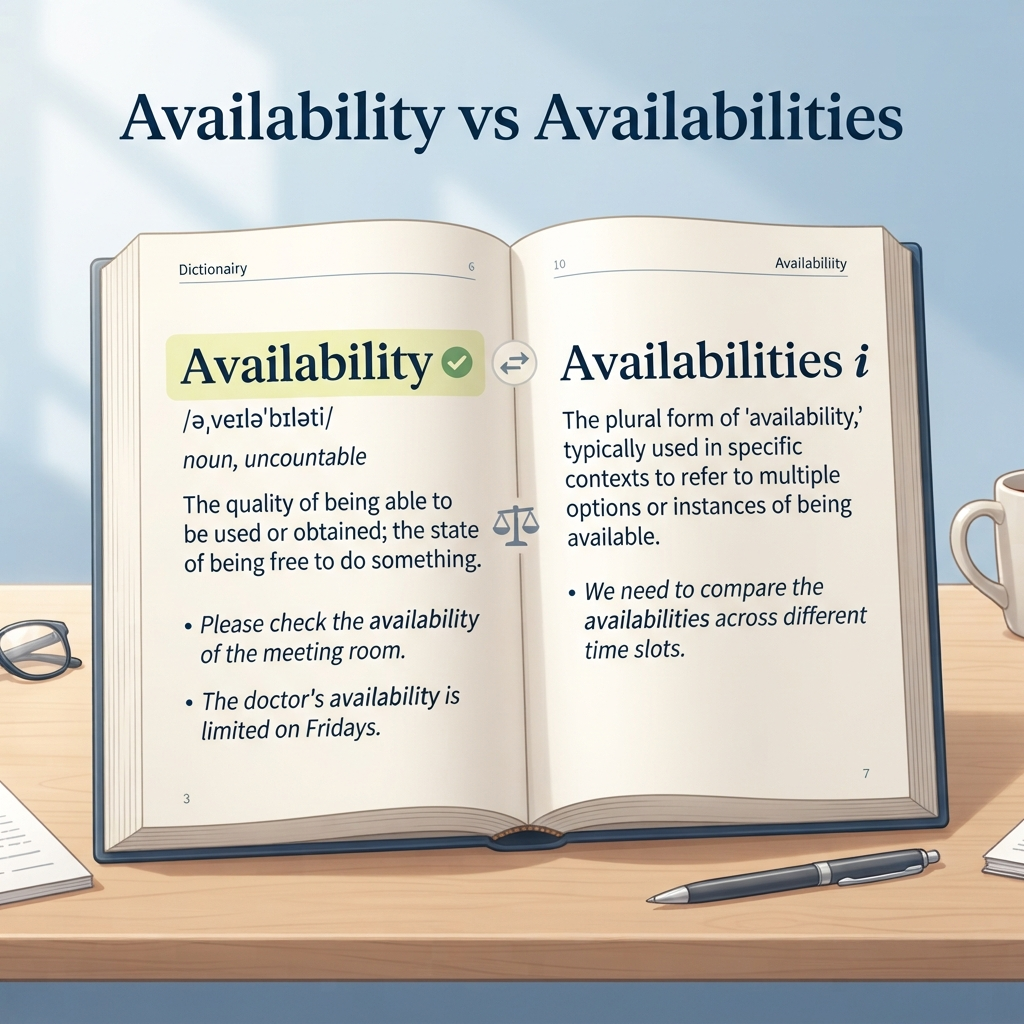
“Availability” is the correct and commonly used word in most situations, while “availabilities” is uncommon and is mainly used when ...
Read more
Lit or Lighted: Which Word Is Correct and How to Use It? 🔥
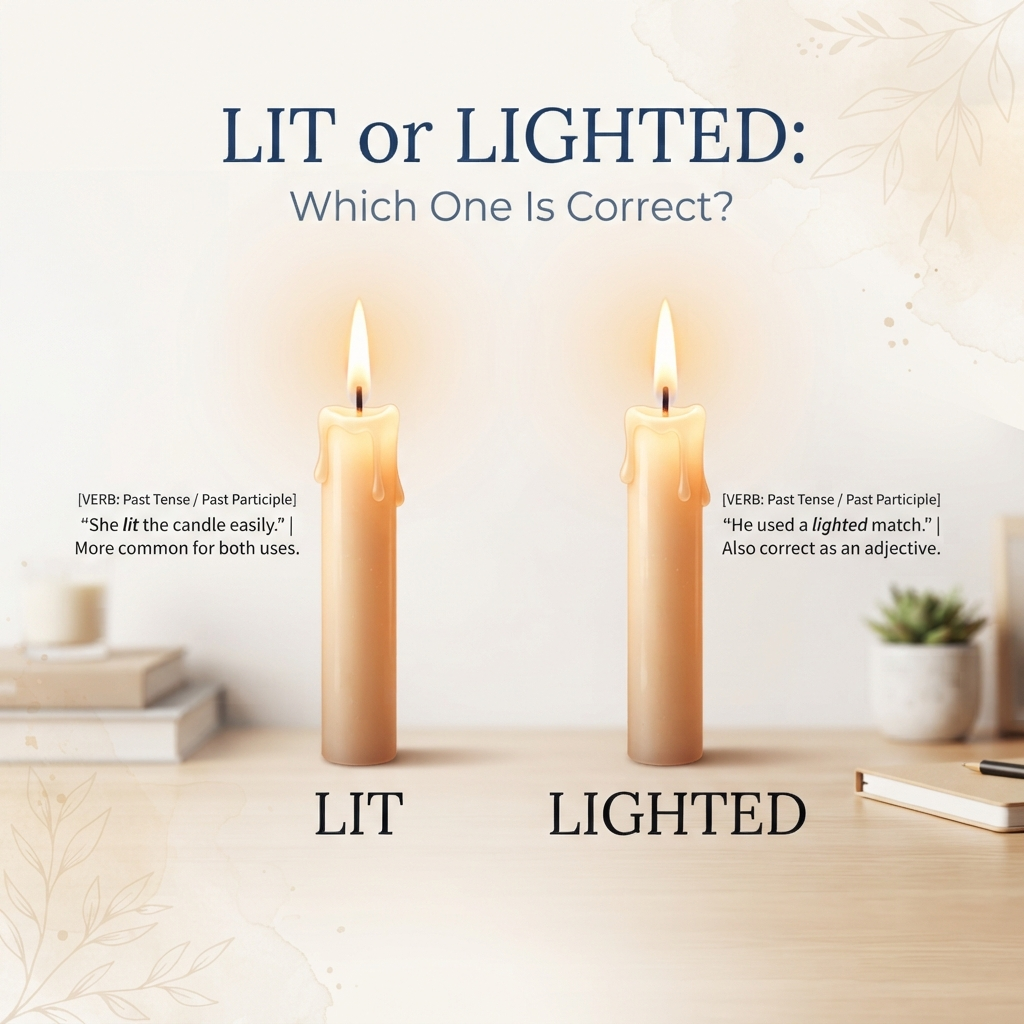
“Lit” and “lighted” are both correct forms of “light,” but “lit” is more common as the past tense, while “lighted” ...
Read more
Testator or Testatrix: Meaning & Exact Difference ⚖️

A testator is a person who makes a will, while testatrix traditionally means a woman who makes a will. In ...
Read more
Unvoluntary or Involuntary: Which Is Correct & Why? 🤔
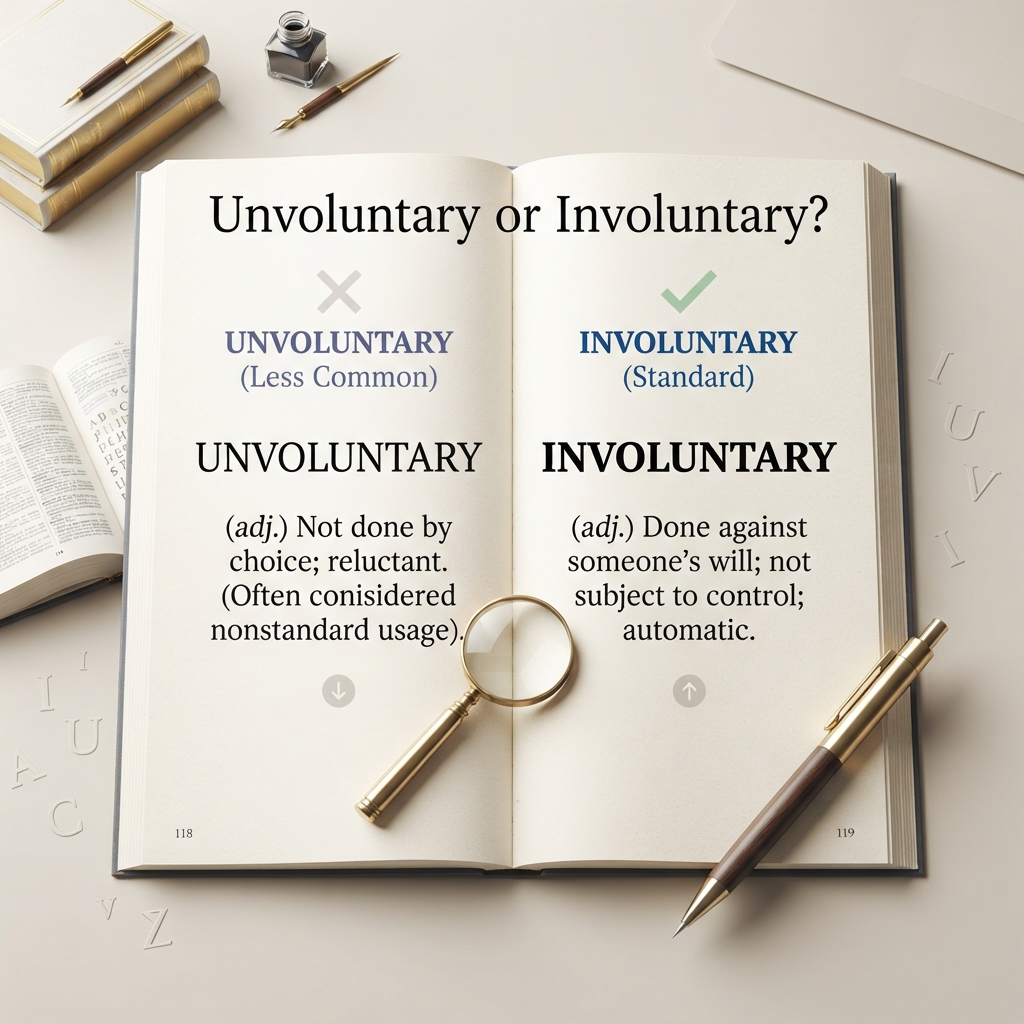
“Involuntary” is the correct English word. It means something that happens without conscious control or intention, while “unvoluntary” is not ...
Read more
Attendance or Attendence: Which Is Correct? ✍️

“Attendance” is the correct spelling; “attendence” is incorrect. Attendance means being present at school, work, a meeting, event, or another ...
Read more
Boxes or Boxs: Which Is the Correct Spelling? 📦
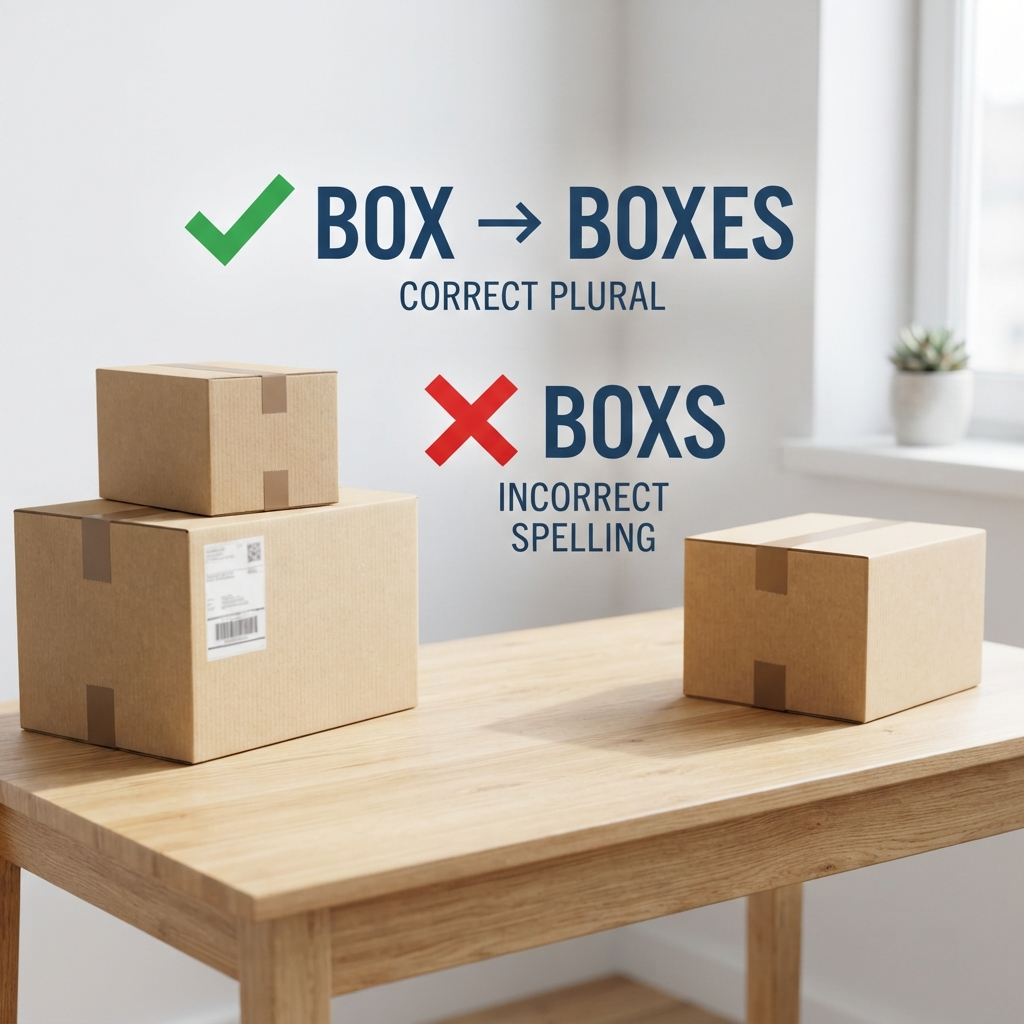
“Boxes” is the correct plural of “box,” while “boxs” is incorrect. The plural is formed by adding “-es” because “box” ...
Read more
Lader or Ladder: Which Spelling Is Correct and Why? 🪜
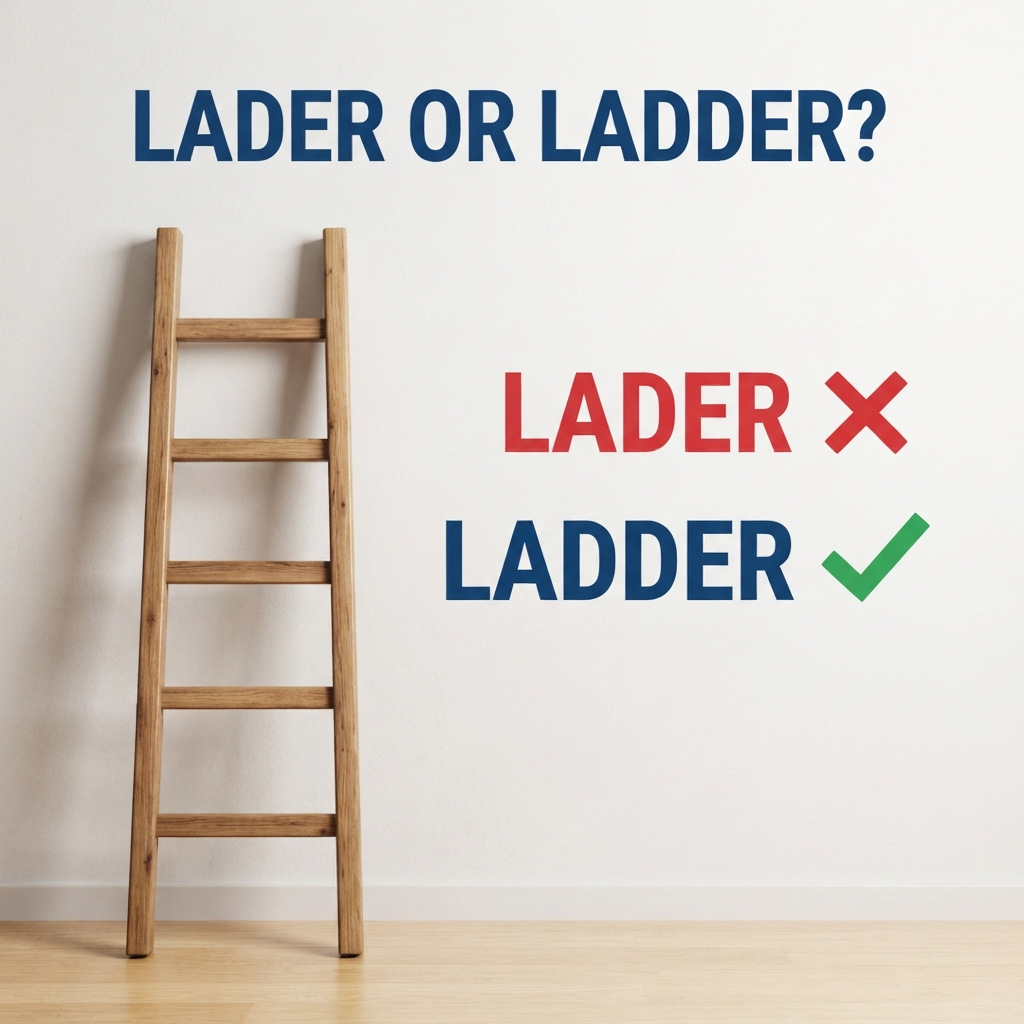
The correct spelling is “ladder,” not “lader,” when you mean a tool with steps or rungs used for climbing. “Lader” ...
Read more
Faint or Feint: Meaning, Difference & Easy Examples 🎯
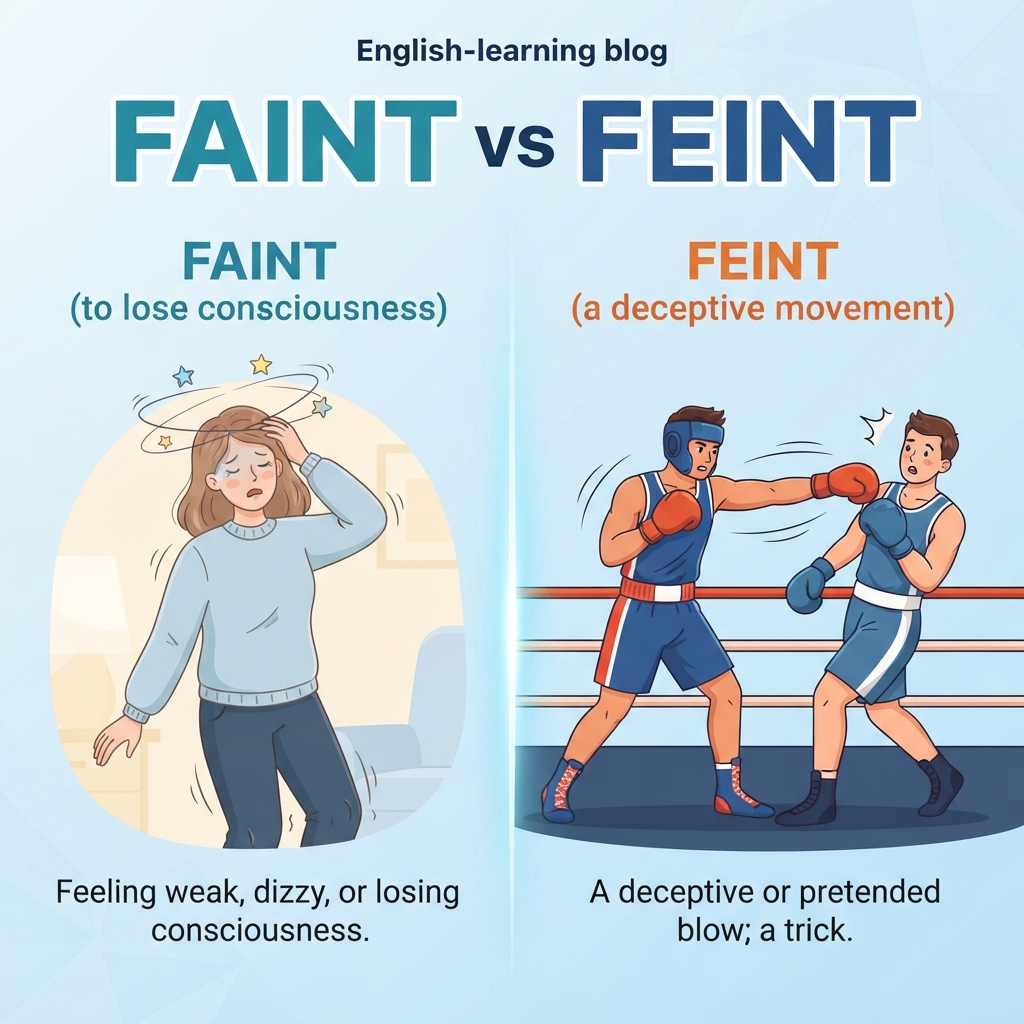
Faint means weak, barely noticeable, or losing consciousness, while feint means a deceptive movement or action used to distract or ...
Read more
Unattentive or Inattentive: Which Is Correct & When to Use Each?
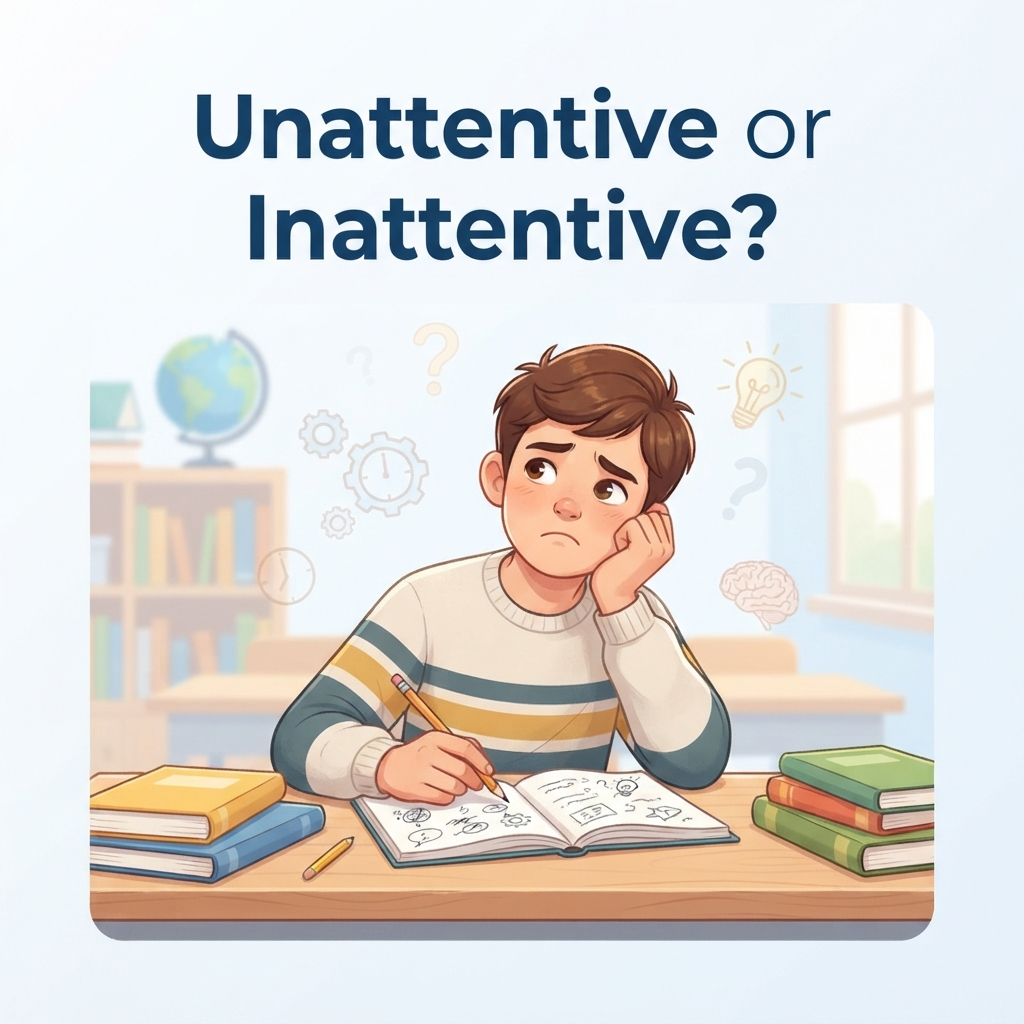
Both “unattentive” and “inattentive” are correct English words, but “inattentive” is more commonly used when describing someone who is not ...
Read more









