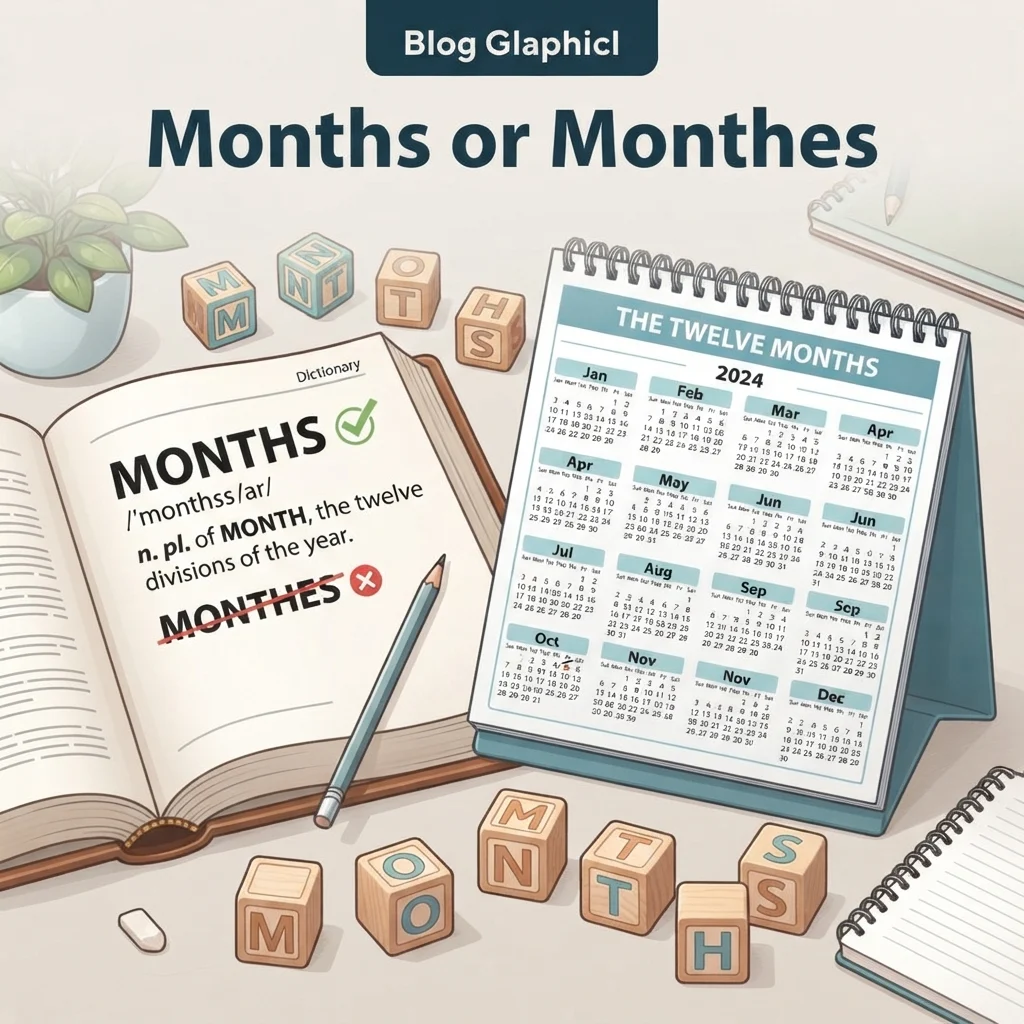
“Months” is the correct spelling, while “monthes” is incorrect. Use “months” as the plural form of “month” when talking about two or more months.
Months or monthes—which spelling is correct? If you have ever hesitated before writing this word, the answer is simple: months is correct, and monthes is a misspelling. The confusion often happens because many English words form their plurals by adding -es, but month does not follow that pattern. Its plural is made by adding -s, giving us months.
The word month means one calendar month, while months means more than one. For example, you can write, “The course lasts three months,” or “I have been working here for six months.” In contrast, monthes should not be used in standard English because it is not the accepted plural spelling of month.
So, if you are writing an email, school assignment, website article, social media post, or professional document, choose months every time. Remembering this simple rule can help you avoid an easy-to-miss spelling mistake.
In this guide, you’ll learn the exact difference between months and monthes, why months is correct, how the plural is formed, whether pronunciation changes, and how to use the word naturally in sentences. You’ll also see common mistakes and simple examples that make the correct spelling easy to remember. If you searched “months or monthes,” you now have the quick answer—and the explanation behind it.
Months or Monthes meanings
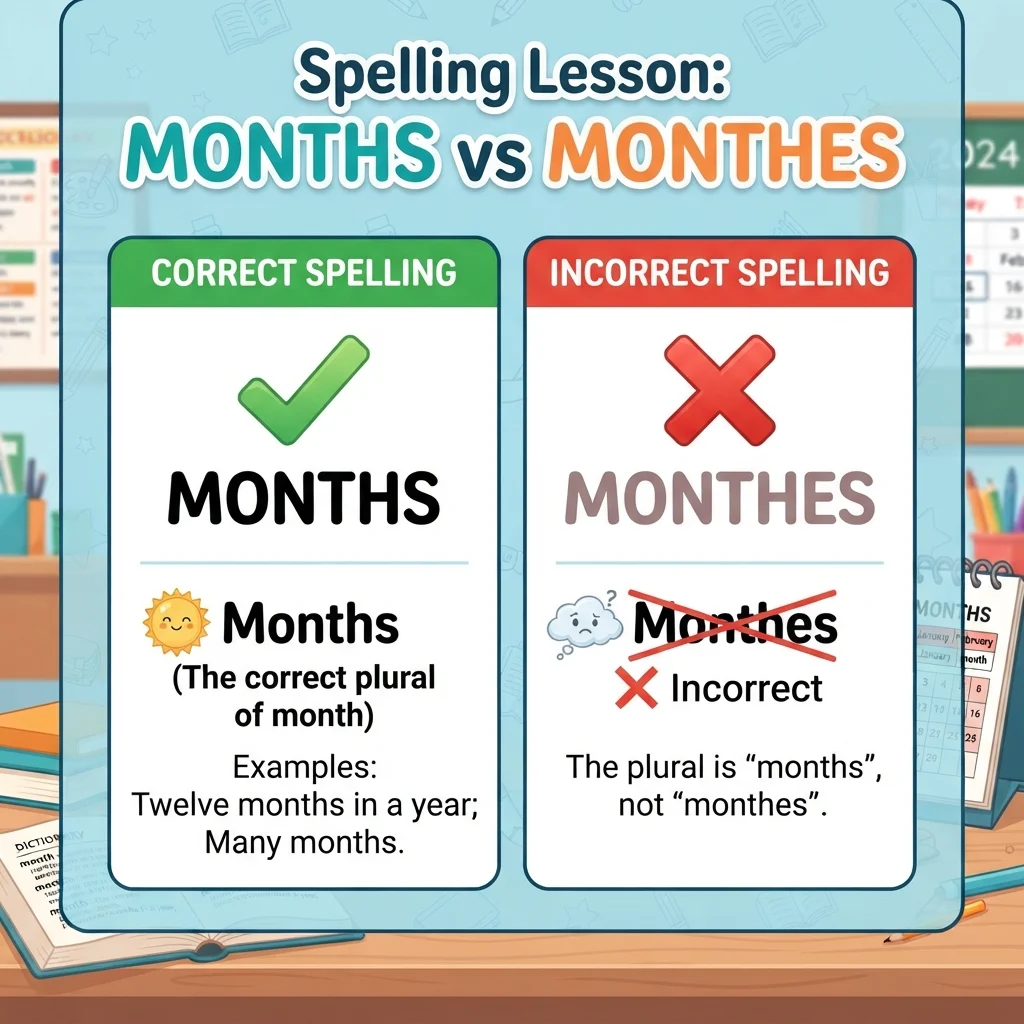
The correct spelling is months.
Months = the plural of month.
- One month
- Two months
- Three months
- Twelve months
Examples
Correct: There are twelve months in a year.
Incorrect: There are twelve monthes in a year.
Correct: I have lived here for six months.
Incorrect: I have lived here for six monthes.
The spelling monthes is not correct in standard English.
Quick Rule
Simply add -s to month:
month + s = months
You do not need to add -es.
The Origin of Months or Monthes
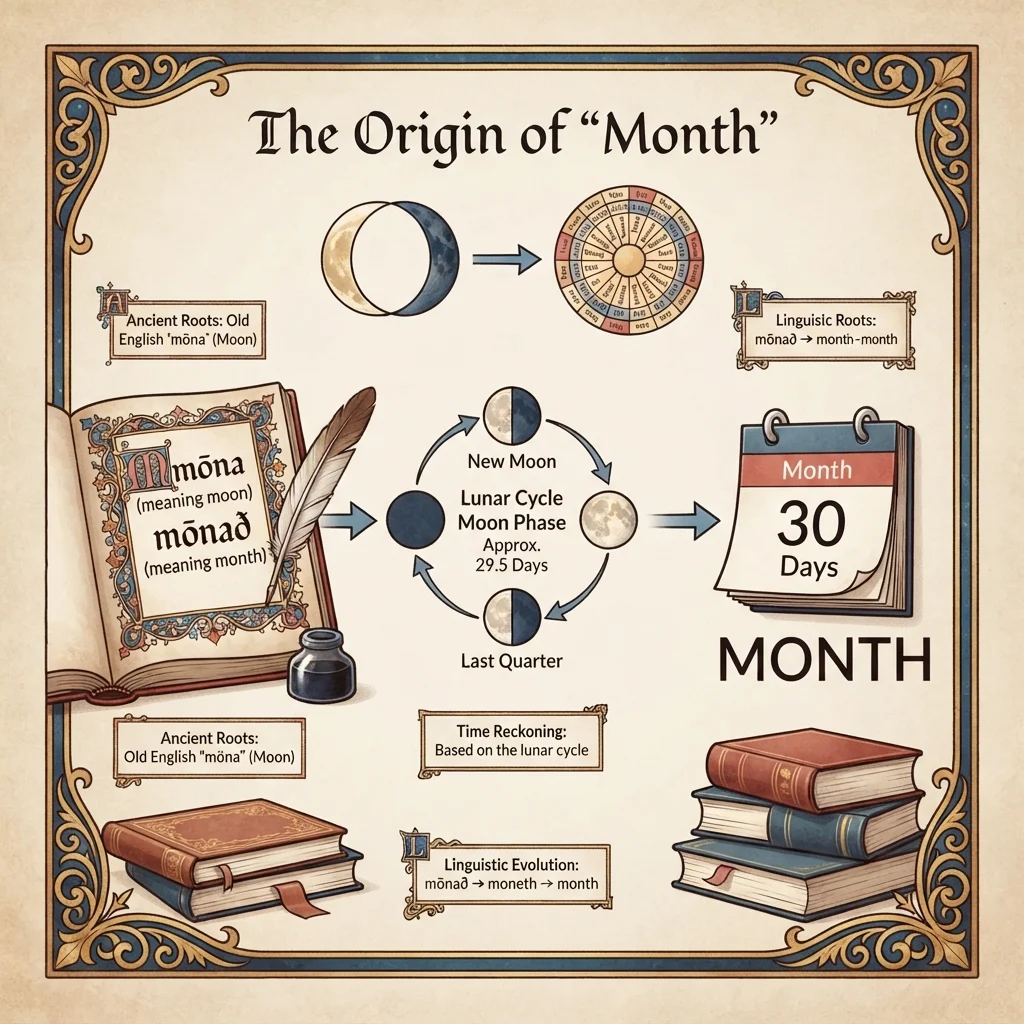
The word month is very old. It comes from Old English mōnath, which was connected to the word for moon.
This connection makes sense because early calendars were closely linked to the changing phases of the moon.
Over time, the spelling changed as English developed. The modern word became month.
When English speakers needed the plural form, they added the normal plural ending -s:
month → months
The incorrect form monthes may look reasonable because many English nouns use -es in the plural.
For example:
- box → boxes
- church → churches
- class → classes
- dish → dishes
But month does not need -es.
So, the standard spelling is:
month → months
British English vs American English Spelling
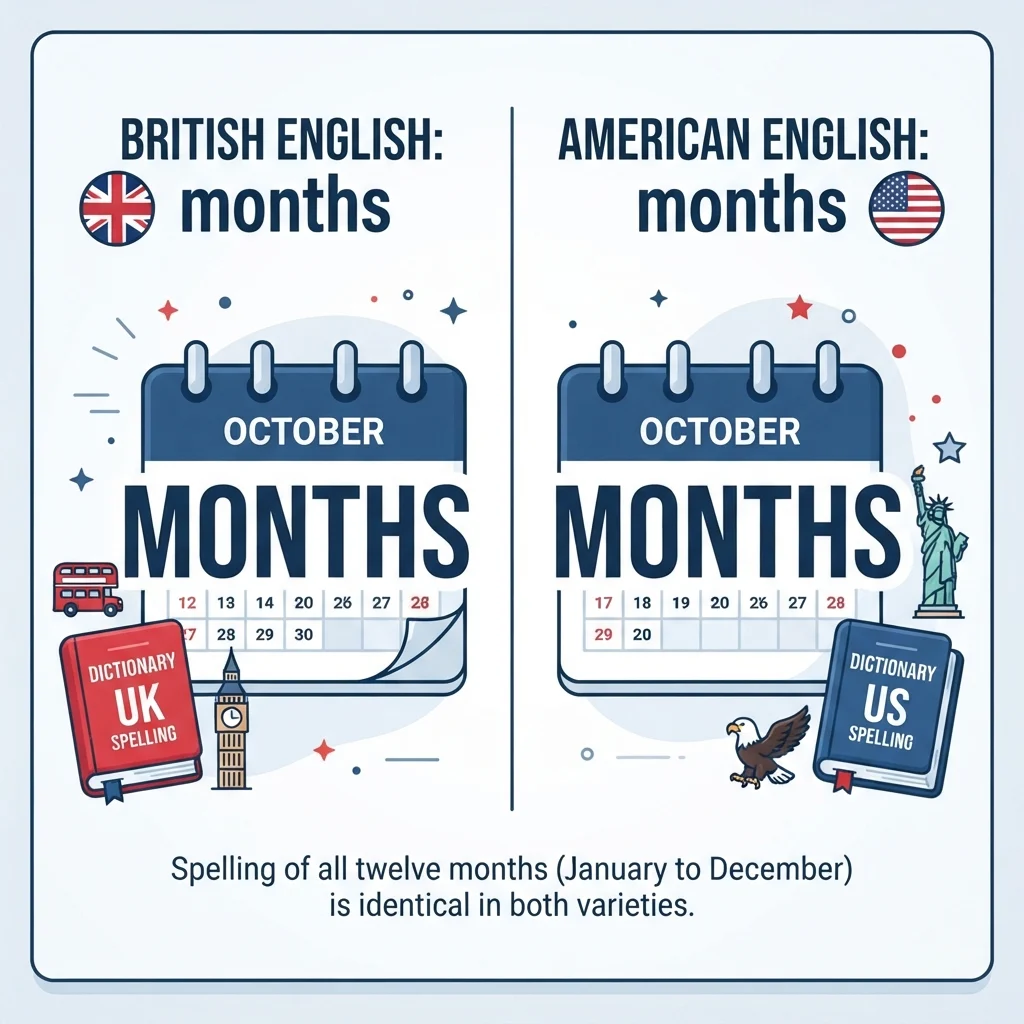
British and American English both use months.
There is no spelling difference between the two major varieties of English for this word.
| English Type | Singular | Plural |
|---|---|---|
| British English | month | months |
| American English | month | months |
| Canadian English | month | months |
| Australian English | month | months |
| Global English | month | months |
The pronunciation can sound slightly different depending on the speaker’s accent, but the spelling remains months.
Examples in Both Varieties
British English:
I will return in three months.
American English:
I will return in three months.
The written form is exactly the same.
Which Spelling Should You Use?
Use months in all standard forms of English.
For American English
Use:
months
Example:
“My course lasts six months.”
For British English
Use:
months
Example:
“The project will take several months.”
For Commonwealth English
Countries such as Australia, Canada, and New Zealand also use:
months
For Global English
If you are writing for an international audience, months is the correct and safest choice.
You should avoid monthes in school work, websites, emails, reports, applications, and professional writing.
Common Mistakes with Months or Monthes
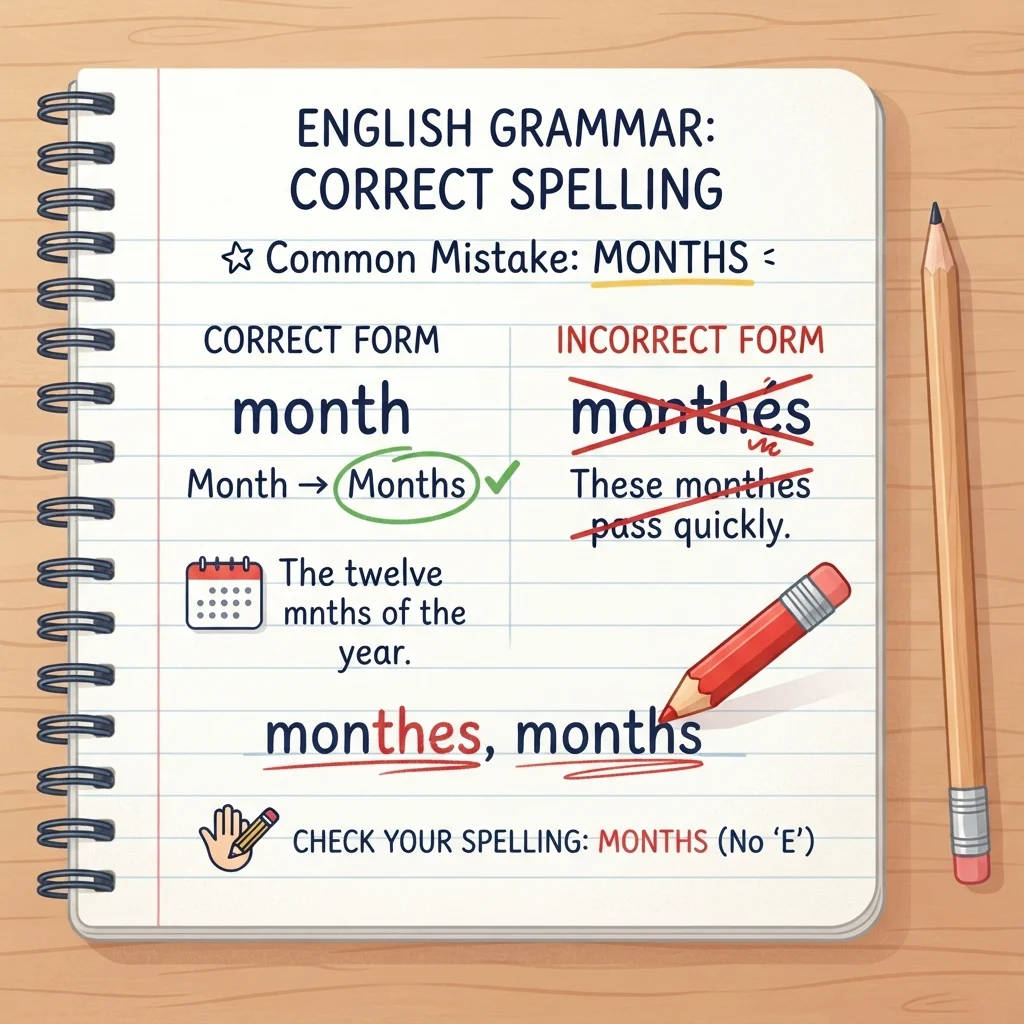
The most common mistake is adding -es to month.
Mistake 1: Monthes
❌ I stayed there for two monthes.
✅ I stayed there for two months.
Mistake 2: Using Month for More Than One
❌ I have been waiting for five month.
✅ I have been waiting for five months.
Mistake 3: Adding -es Because of the Sound
Some people think monthes is correct because the final sound can make the word feel longer when spoken.
However, pronunciation does not change the spelling.
Mistake 4: Confusing Month and Months
Use month for one.
I need one month.
Use months for two or more.
I need two months.
Easy Memory Tip
Think:
One month → Many months
Not:
One month → Many monthes
Families or Familys: Which Spelling Is Correct and Why? 👨👩👧👦
Months in Everyday Examples
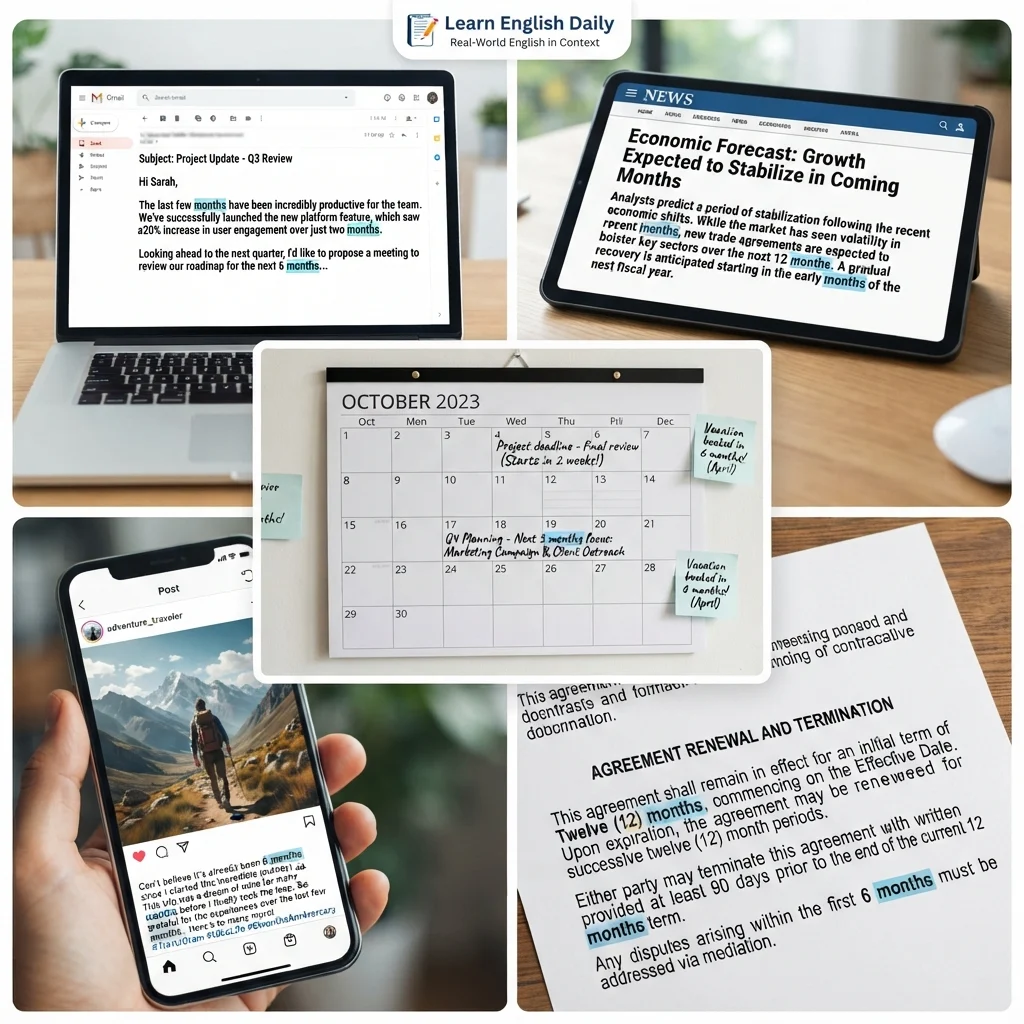
The word months appears often in everyday English.
In Emails
The project will be completed within three months.
I have worked with the company for six months.
In News Writing
The new policy will begin in several months.
Sales increased during the last few months.
On Social Media
Six months of memories! ❤️
I can’t believe how fast these months passed.
Three months later, and we are still smiling!
In Formal Writing
The program will continue for twelve months.
The company reviewed its results over a period of six months.
In Daily Conversation
I haven’t seen her for two months.
My birthday is only a few months away.
We have known each other for many months.
Months – Google Trends & Usage Data
People search for “months or monthes” because English plural spelling can be confusing. Searches often come from students, English learners, writers, and people checking spelling before publishing text.
The correct form, months, is widely used in English-speaking countries.
The incorrect form, monthes, may appear in searches because users are checking whether it is a possible plural spelling. Search interest for spelling questions can vary by country and time.
In general, months has much stronger real-world usage because it is the standard plural form.
The word is also common in many contexts, including:
- Calendar information
- School writing
- Work documents
- Dates and schedules
- News articles
- Social media captions
- Personal conversations
- Formal reports
When checking English spelling, always use months rather than monthes.
Months or Monthes – Comparison Table
| Word | Correct? | Meaning | Example |
|---|---|---|---|
| month | ✅ Yes | One period of about four weeks | I need one month. |
| months | ✅ Yes | More than one month | I need three months. |
| monthes | ❌ No | Incorrect plural spelling | Do not use this form. |
| Months | ✅ Yes | Capitalized form at the start of a sentence | Months can pass quickly. |
FAQs About Months or Monthes
1. Is “months” or “monthes” correct?
Months is correct. Monthes is an incorrect spelling.
2. What is the plural of month?
The plural of month is months.
Example:
One month → Two months
3. Why is “monthes” wrong?
English does not require -es after month. The standard plural is made by adding -s.
4. Do British people spell it “months”?
Yes. British English uses months, just like American English.
5. Do Americans use “months”?
Yes. Months is the standard American English spelling.
6. Can I use “monthes” in informal writing?
It is better not to use it. Monthes is not a standard English spelling, even in informal writing.
7. How can I remember the correct spelling?
Remember this simple pattern:
1 month → 2 months → 12 months
Always add -s, not -es.
Conclusion
When choosing between months or monthes, the answer is simple: months is the correct spelling.
The word month has an old history connected to the moon and early calendars. Its plural form developed as months, and this spelling is used in both British and American English.
You should use month when talking about one period and months when talking about two or more.
For example, say “one month,” “three months,” and “twelve months.” Avoid monthes because it is not the standard plural form.
This rule applies across everyday conversations, school assignments, emails, websites, news writing, and professional documents. Whether your readers are in the United States, the United Kingdom, or another English-speaking country, months is the correct choice.
If you ever feel unsure, remember the easiest rule: month + s = months. That small spelling rule will help you avoid one of the common plural mistakes in English.

Stella Gibbons writes creative English captions for funcaptionz.com, blending wit, clarity, and short ideas to inspire readers across social platforms daily use









