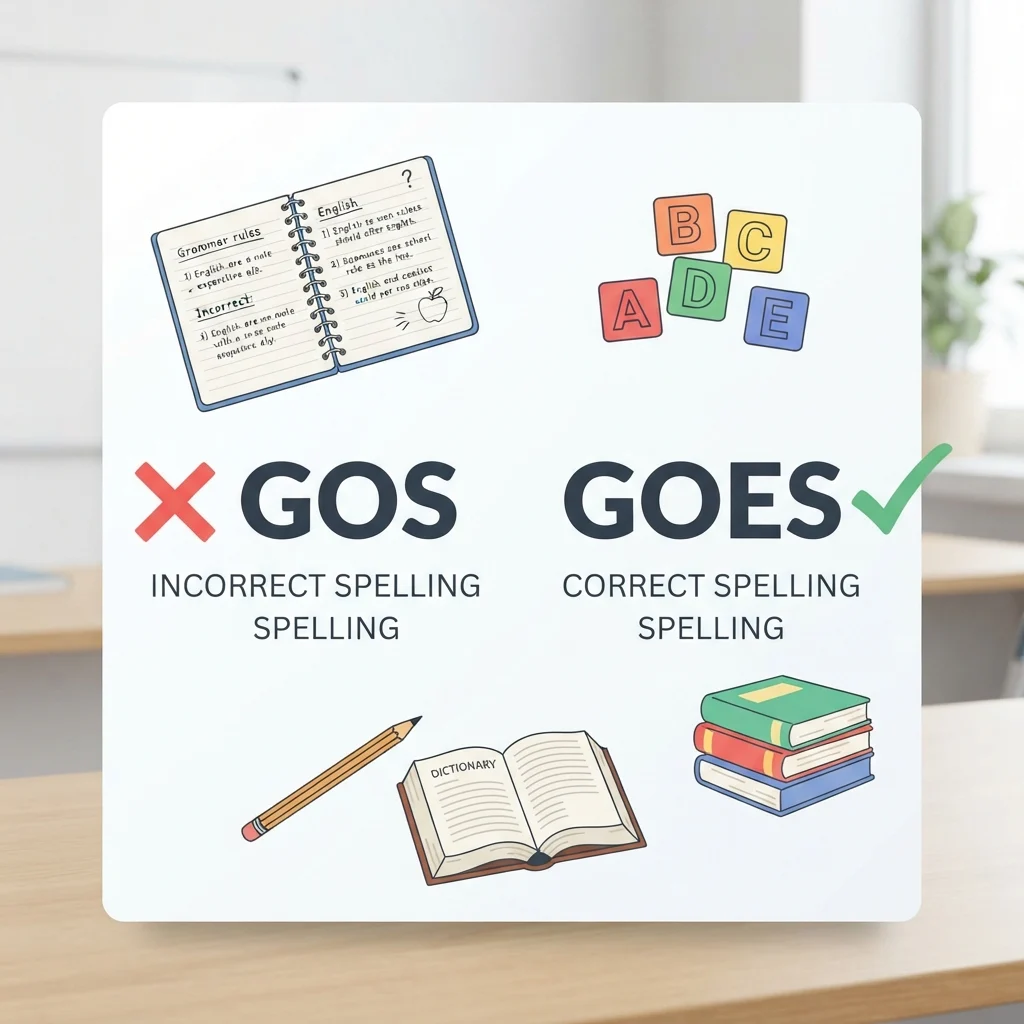
Gos or goes? “Goes” is the correct English spelling when you mean the third-person singular form of “go”; “gos” is not correct in standard English.
Gos or goes—which one should you use? If you’ve ever hesitated before writing this word, the answer is simple: “goes” is correct, while “gos” is incorrect when you mean the verb go. The word goes is used with he, she, and it in the present simple tense. For example, “She goes to school every morning” is correct, but “She gos to school every morning” is incorrect.
The reason is a simple English grammar rule: most verbs take -s with he, she, or it, but go changes to goes, not “gos.” This small spelling difference is easy to overlook, especially when writing quickly, but using the correct form makes your sentences clear and grammatically accurate.
In this guide, you’ll discover the difference between gos or goes, the correct spelling and grammar rule, easy examples, common mistakes, and practical tips to remember the difference. By the end, you’ll know exactly when to use goes and why gos should be avoided in standard English writing.
Gos or Goes meanings
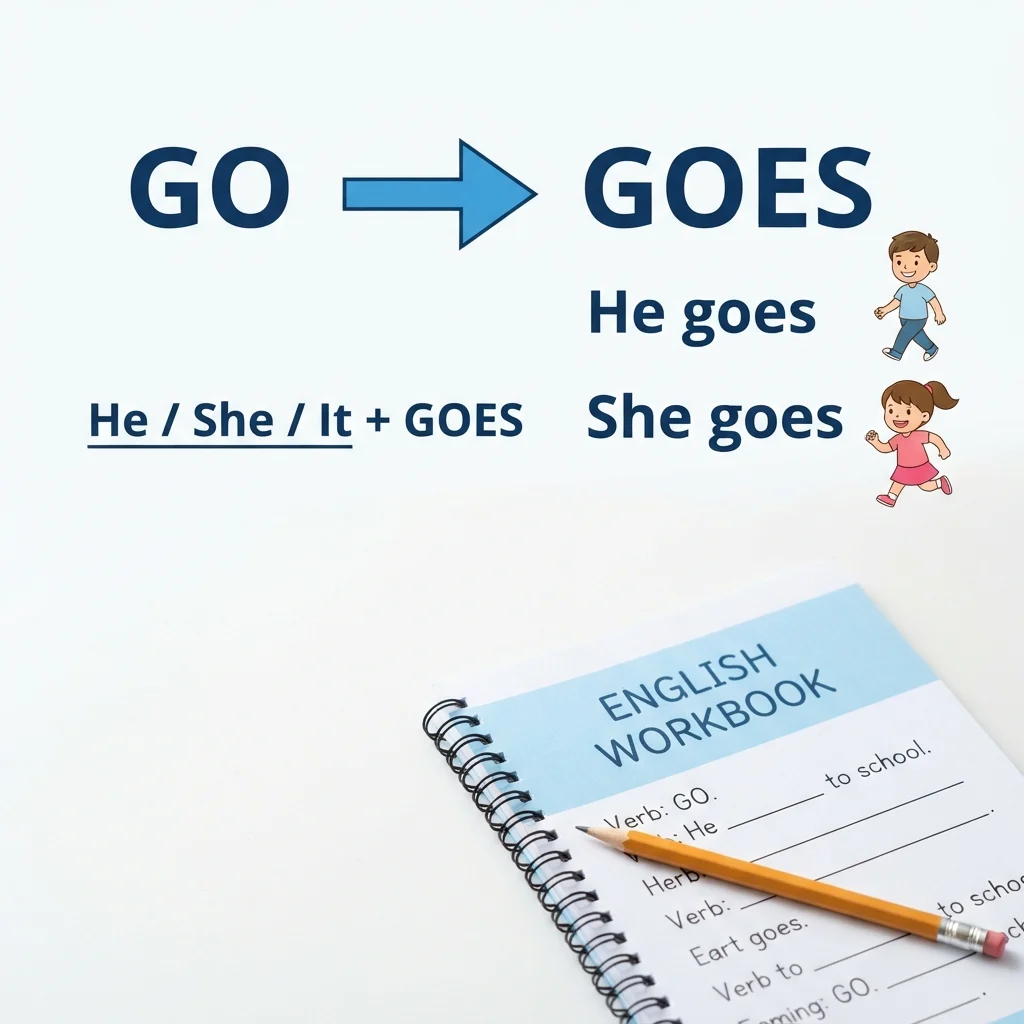
Goes is the correct spelling when go is used as the third-person singular present-tense verb.
Correct examples:
- He goes to work every morning.
- She goes home after school.
- The bus goes through the city.
- My brother goes to college.
- It goes well with the meal.
Incorrect examples:
- ❌ He gos to work.
- ❌ She gos home.
- ❌ The bus gos through the city.
The basic rule is:
I/You/We/They → go
He/She/It → goes
For example:
I go to school.
She goes to school.
So, if you are choosing between gos and goes, use goes for this verb form.
The Origin of Gos or Goes

The word go is an old English verb. It comes from Old English gān, meaning to move, walk, or travel.
Over many centuries, the word changed in form and pronunciation. Modern English uses go as the basic verb and goes as its third-person singular present form.
English grammar also developed patterns for adding endings to verbs. Many verbs simply take -s:
- run → runs
- walk → walks
- play → plays
- read → reads
But some verbs take -es:
- go → goes
- do → does
- watch → watches
- wash → washes
- fix → fixes
This is why gos can look tempting but is not the normal spelling of the verb.
The extra e in goes is part of the standard spelling pattern. It is not a spelling mistake or an optional letter.
British English vs American English Spelling
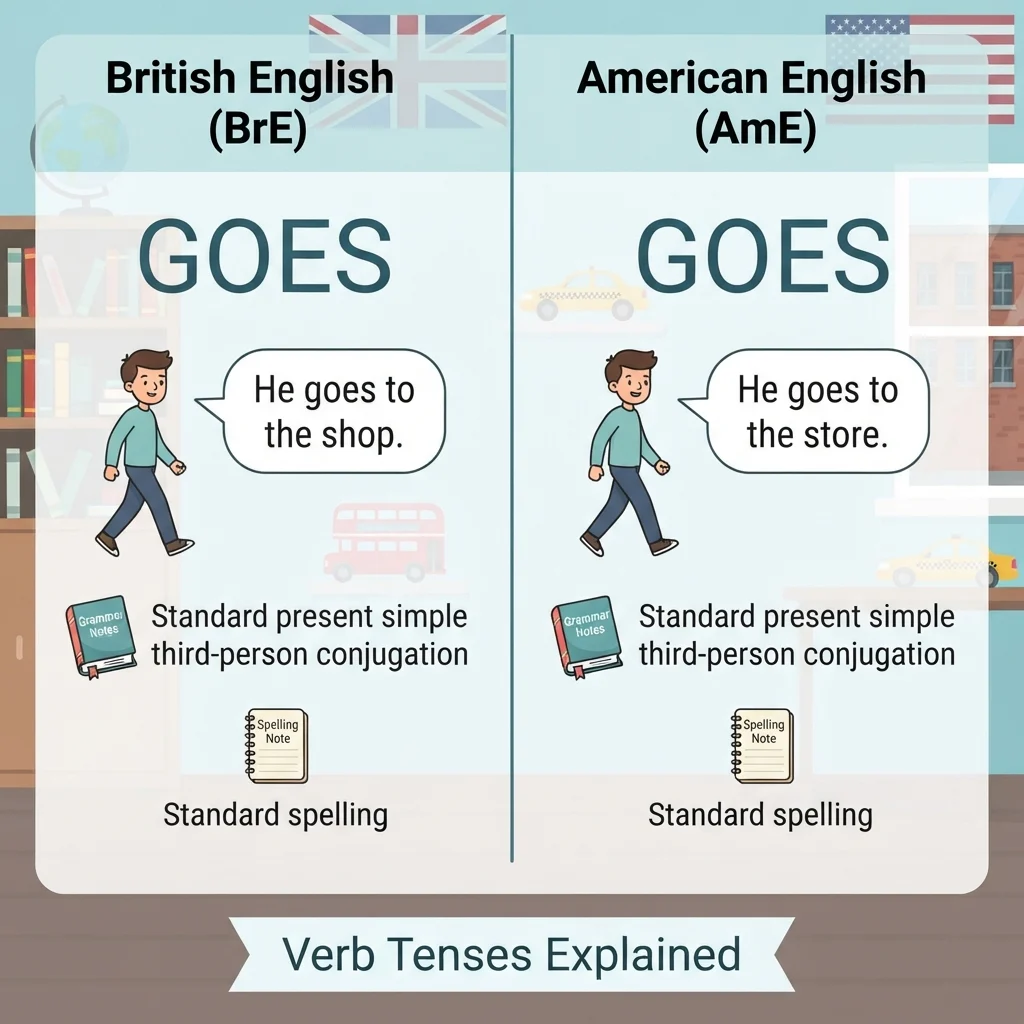
There is no British-versus-American spelling difference for the verb form goes.
Both major varieties of English use:
go → goes
| English Variety | Correct Form | Example |
|---|---|---|
| British English | goes | She goes to work. |
| American English | goes | She goes to work. |
| Canadian English | goes | She goes to school. |
| Australian English | goes | She goes home. |
| Global English | goes | He goes every day. |
The important difference is not between British and American English. It is between the subject and the verb form.
Compare:
I go to the store.
You go to the store.
We go to the store.
They go to the store.
He goes to the store.
She goes to the store.
So, whether you write for a British, American, Canadian, or Australian audience, goes remains the standard form.
Congrats or Congratulations: Which Is Correct & When to Use? 🎉
Which Spelling Should You Use?
Use goes when the subject is he, she, or it, or another singular third-person subject.
For US English
Use goes:
My sister goes to college.
For UK and Commonwealth English
Use goes:
My sister goes to college.
The spelling stays the same.
For global English
If you are writing for an international audience, goes is also the correct choice.
Use:
The machine goes up to 100 degrees.
Not:
The machine gos up to 100 degrees.
Easy rule to remember
One person or thing: he/she/it → goes
I, you, we, or they → go
This simple rule can help prevent most mistakes.
Common Mistakes with Gos or Goes
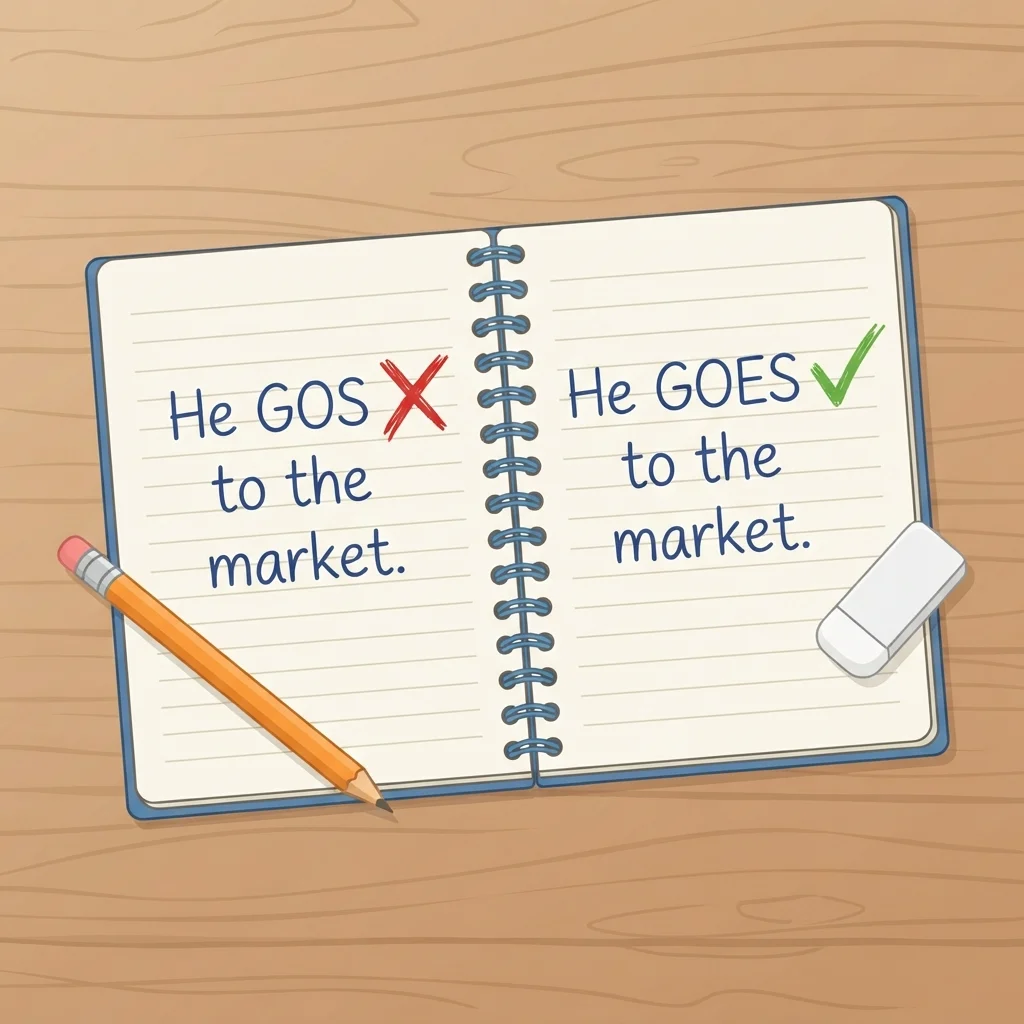
1. Writing “gos”
❌ He gos to school.
✅ He goes to school.
The verb needs -es, not just -s.
2. Using “goes” with I
❌ I goes to work every day.
✅ I go to work every day.
The subject I uses the base form go.
3. Using “goes” with they
❌ They goes to the park.
✅ They go to the park.
They takes go, not goes.
4. Using “gos” after a singular name
❌ Sarah gos shopping.
✅ Sarah goes shopping.
Sarah is one person, so the verb becomes goes.
5. Confusing “goes” and “went”
Goes is present tense.
He goes to work every day.
Went is past tense.
He went to work yesterday.
6. Writing “go’s”
The apostrophe is not needed for this verb form.
❌ She go’s home.
✅ She goes home.
Gos or Goes in Everyday Examples

Knowing the correct spelling is useful in everyday writing.
In Emails
She goes to the office every Monday.
The report goes to the manager first.
In News Writing
The new train goes between the two cities.
The story goes viral within hours.
On Social Media
Where she goes, fun follows!
He goes from one adventure to another.
In Formal Writing
The process goes through several stages.
The payment goes directly to the account.
In School Writing
My brother goes to school by bus.
The teacher goes over the lesson again.
In Everyday Speech
She goes to the gym every morning.
This road goes to the market.
In all these examples, goes is the correct standard form.
Gos or Goes – Google Trends & Usage Data
Search interest around gos or goes is mainly linked to spelling and grammar questions. People often search for the pair when they are unsure whether the third-person form of go should be written with -s or -es.
The word goes has a much wider use because it appears naturally in everyday English sentences. It can describe movement, actions, events, changes, and how something happens.
The search term gos can appear because of spelling mistakes, grammar exercises, or special uses of gos in other contexts. This means seeing gos online does not automatically make it the correct form of the verb go.
Across British and American English, goes remains the standard third-person singular form.
For learners, the key point is simple: search popularity does not change the grammar rule. When you mean he/she/it + go, write goes.
Gos vs Goes: Comparison Table
| Feature | Gos | Goes |
|---|---|---|
| Standard verb form | ❌ No | ✅ Yes |
| Third-person form of go | ❌ No | ✅ Yes |
| Used with he | ❌ | ✅ |
| Used with she | ❌ | ✅ |
| Used with it | ❌ | ✅ |
| British English | ❌ | ✅ |
| American English | ❌ | ✅ |
| Formal writing | ❌ | ✅ |
| School writing | ❌ | ✅ |
| Common standard spelling | ❌ | ✅ |
Quick reminder: For the ordinary present-tense verb, choose goes.
FAQs About Gos or Goes
1. Is “gos” a correct spelling?
No, gos is not the standard spelling of the third-person singular form of the verb go. The correct form is goes.
2. Why is it “goes” and not “gos”?
English uses -es for this form of go. Therefore, go becomes goes with he, she, or it.
3. Is “goes” correct in American English?
Yes. Goes is the standard form in American English.
4. Is “goes” correct in British English?
Yes. British English also uses goes.
5. Which is correct: “He gos” or “He goes”?
He goes is correct.
Example:
He goes to school every morning.
6. Which is correct: “They go” or “They goes”?
They go is correct.
Example:
They go to work together.
7. Is “go’s” correct?
No. Go’s is not the correct spelling for the normal third-person verb form. Write goes instead.
Conclusion
The answer to gos or goes is simple: goes is the correct standard form when go is used with a third-person singular subject such as he, she, or it.
For example, write “She goes to school”, not “She gos to school.” The same rule works in British English, American English, and other major forms of standard English.
Remember the basic pattern: I go, you go, we go, they go, but he goes, she goes, it goes. The extra e is an important part of the spelling.
The mistake happens because many English verbs form their third-person singular version by adding only -s. However, go uses -es, just like several other verbs.
If you are writing an email, school assignment, social media post, news article, or formal document, choose goes whenever the grammar requires the third-person singular form.

Walter de la Mare writes creative English captions for funcaptionz.com, sharing short ideas, thoughtful wording, and expressive lines for modern readers.









